
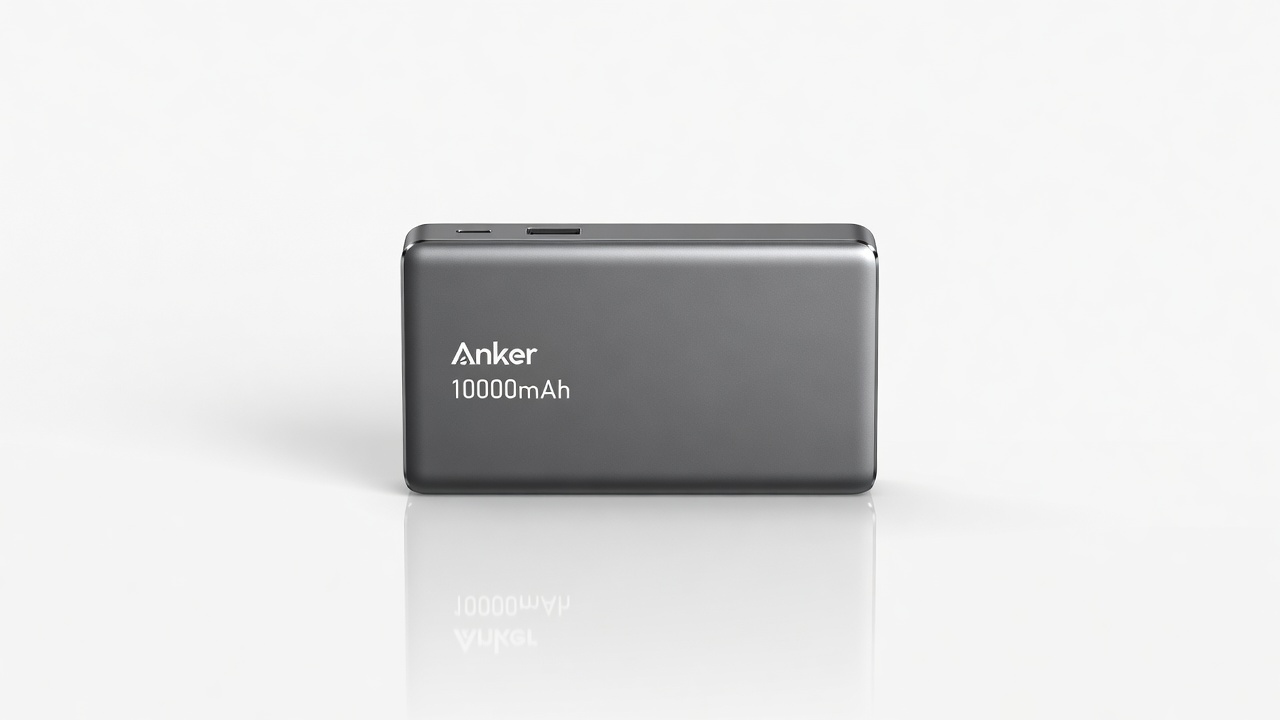
Your phone dies at 2PM. You're in a foreign city. You need Google Maps to get back to your hotel. This scenario is 100% preventable — with the right power bank.
But not all power banks are created equal. Some are too big for carry-on. Some charge too slowly. Some die after 200 cycles. And some aren't even allowed on planes.
I tested 10 power banks across 3 months of European travel. Here are the ones that actually deserve space in your bag.

Airport charging stations are a lifesaver — but having your own power bank means you're never hunting for an outlet.
First: The Airline Rules (Read This)
- Maximum 100Wh (≈27,000mAh at 3.7V) in carry-on — no approval needed
- 100-160Wh requires airline approval (rarely worth the hassle)
- Never put power banks in checked luggage — it's a fire risk and airlines will confiscate them
- Terminals must be protected from short circuits (keep in original packaging or tape the ports)
The sweet spot: 10,000-20,000mAh. Enough for 2-5 full phone charges, well under the 100Wh limit, and compact enough for a day bag.
Top Picks
Anker PowerCore 10000 (A1274)
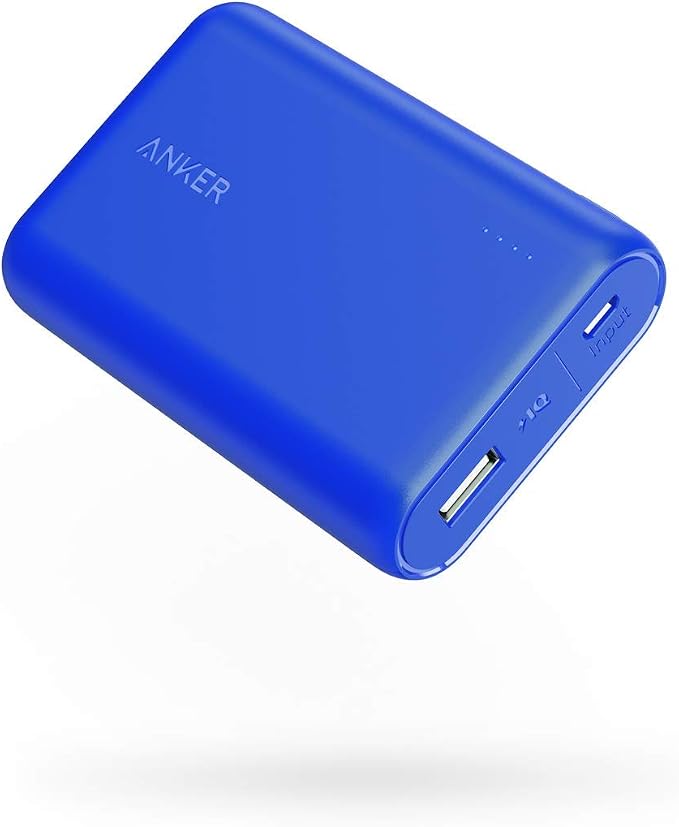
The gold standard for travel. Compact (fits in a jacket pocket), reliable, and charges most phones 2-3 times. Anker's PowerIQ technology adjusts output for each device. I've been using this model for 2 years across 15+ countries with zero issues.
- ✅ Only 180g — you forget it's in your bag
- ✅ USB-C input for fast recharging (0-100% in ~3 hours)
- ✅ 10,000mAh = 2.5-3 full iPhone charges
- ❌ No USB-C output (only input) — charges via USB-A to USB-C cable
Anker Prime 20000mAh (65W USB-C PD)
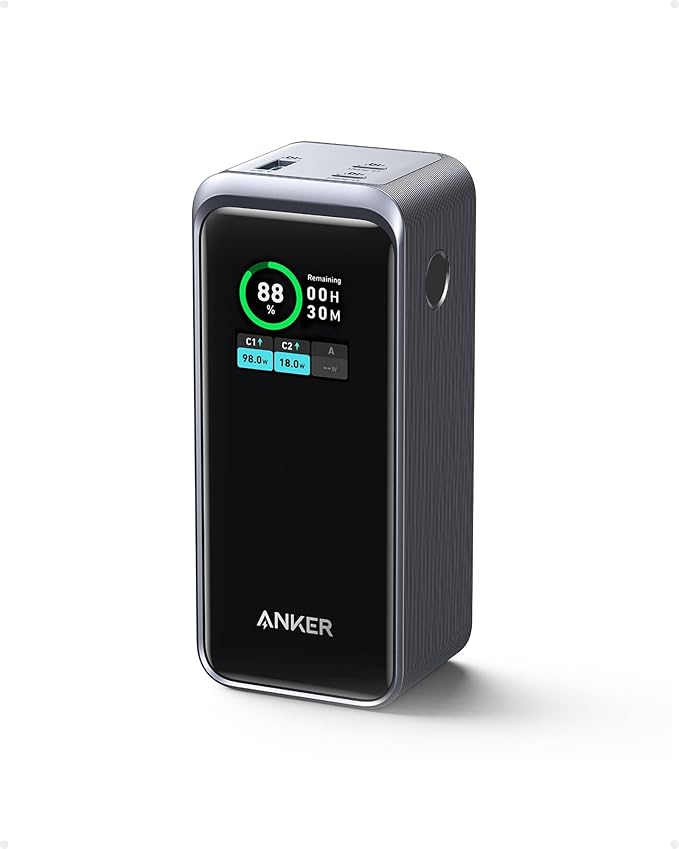
When you need to charge a MacBook or laptop on the go, 20W isn't enough. The Anker Prime delivers 65W via USB-C PD — enough to charge a MacBook Air at near-wall speed. At 20,000mAh, it's still under the 100Wh airline limit (74Wh actual).
- ✅ 65W USB-C PD — charges laptops, not just phones
- ✅ 20,000mAh = 4-5 phone charges or 1-1.5 laptop charges
- ✅ Pass-through charging (charge the bank and your devices simultaneously)
- ❌ Heavier at 340g — this is a backpack item, not a pocket item
Iniu 10000mAh Ultra-Slim
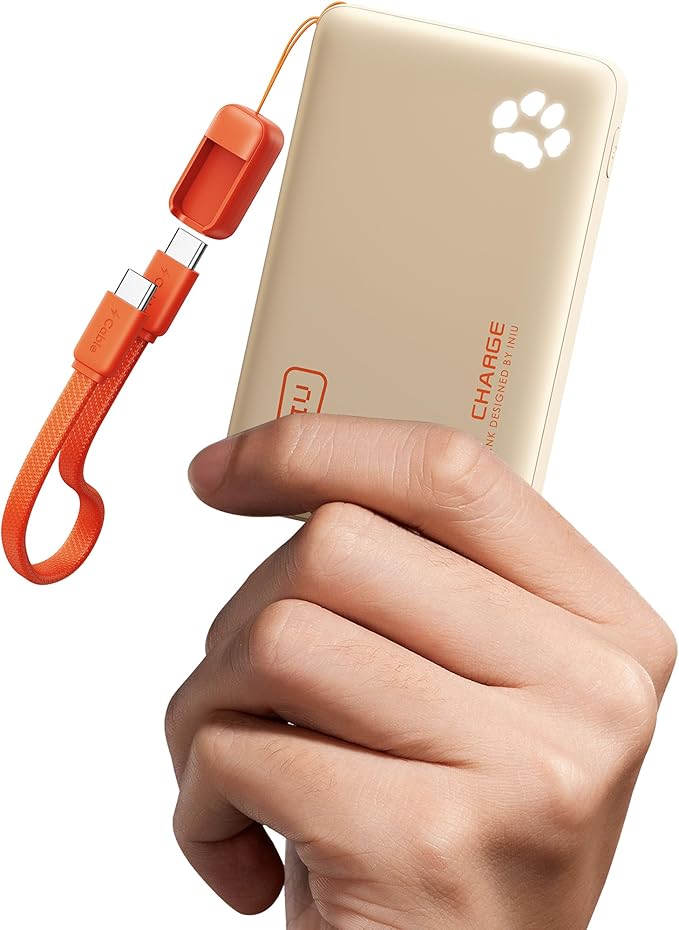
If you just need a reliable backup and don't want to spend £25+, the Iniu is surprisingly good for the price. It's thinner than the Anker (only 14mm) and has a built-in USB-C cable — one less thing to carry.
- ✅ Built-in USB-C cable (no extra cable needed)
- ✅ Only £12-16 — great as a backup or gift
- ✅ LED display shows exact battery percentage
- ❌ Build quality isn't as premium as Anker
Anker Nano Power Bank 5000mAh
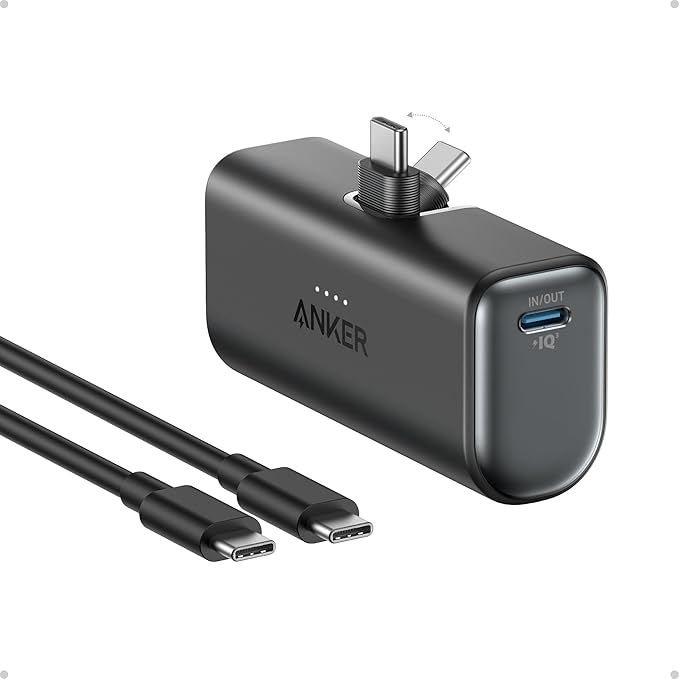
For day trips when you just need a top-up, not a full recharge. The Anker Nano is the size of a lipstick tube and has a built-in USB-C connector — just plug it directly into your phone. No cable needed.
- ✅ Built-in USB-C — attaches directly to your phone
- ✅ Tiny: 105g, fits in any pocket
- ✅ 5000mAh = 1-1.5 full phone charges
- ❌ Not enough for a full day of heavy use
Comparison Table
| Model | Capacity | Output | Weight | Price | Best For |
|---|---|---|---|---|---|
| Anker PowerCore 10000 | 10,000mAh | 12W | 180g | £20-25 | Best overall |
| Anker Prime 20000 | 20,000mAh | 65W | 340g | £45-60 | Laptop charging |
| Iniu 10000 | 10,000mAh | 15W | 175g | £12-16 | Budget pick |
| Anker Nano 5000 | 5,000mAh | 10W | 105g | £15-20 | Ultra-compact |
| Belkin 10000 | 10,000mAh | 18W | 190g | £22-28 | Premium build |
What to Look for in a Travel Power Bank
- 10,000mAh minimum — Anything less and you're carrying a paperweight. 10,000mAh gives you 2-3 full phone charges.
- USB-C input — Micro-USB is dead. Make sure the power bank itself charges via USB-C.
- USB-C PD output (for laptop users) — If you need to charge a laptop, look for 45W+ Power Delivery.
- Under 300g
- Airline compliant
📱 Power Up Your Travel Setup
A power bank keeps your gadgets running. An eSIM keeps your phone connected. Get both before your next Europe trip.
Shop eSIM Plans →